Clean and care for a squeaky garage door
Keep your door looking good and listen for changes in the way it runs. Cleaning removes dirt and deposits, but a new squeak, scrape or uneven movement can mean wear or a fault. We’ll help you decide what you can clean and when it’s time to call a trained technician.
Urgent repair help · Call 13 62 63
Assess the noise before cleaning
Stop if the door is damaged, crooked, unusually heavy or has a broken spring or cable. Keep people and vehicles clear and arrange a repair. Do not release an open or unsupported door, pull it back onto its tracks or adjust springs, cables or opener force settings.
For a normally moving door that needs routine cleaning, use the care method for its finish and mechanism. Roller guides, sectional tracks, hinges, running strips and sensors have different requirements. Check the matching instructions before applying any lubricant.
Prepare for owner care
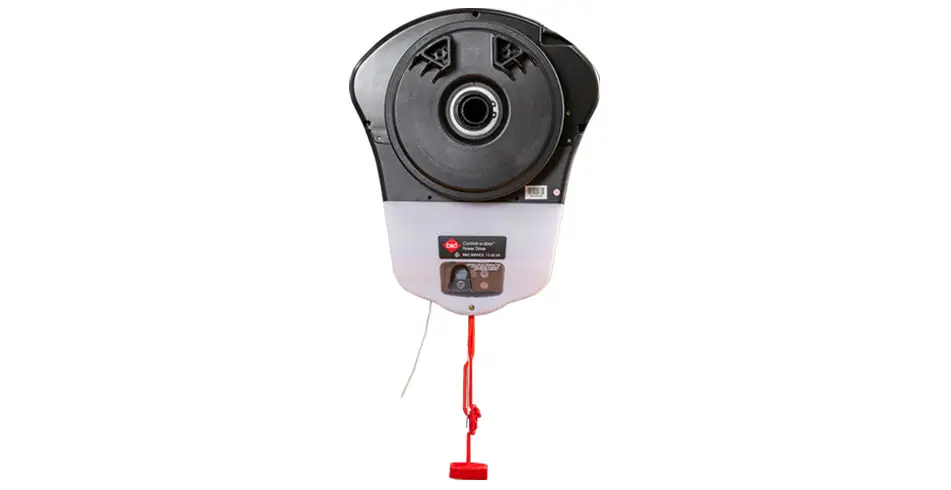
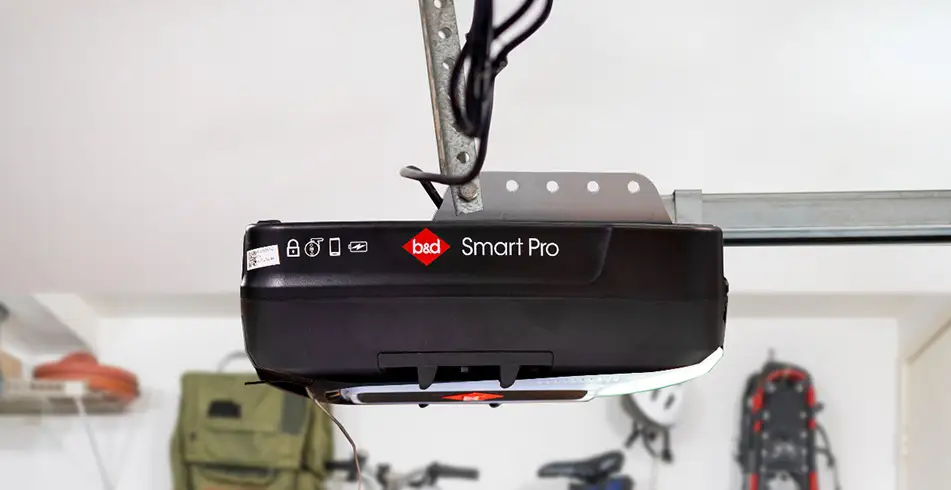
Keep the door closed and stationary, the area clear and the controls out of use. The opener manuals require disconnecting its power supplies before cleaning or maintenance. Battery-equipped installations may still operate with mains power off; follow that model’s isolation instructions or have a technician make it safe.
Disconnecting electrical power and mechanically releasing a door are different actions. Do not disengage a raised or damaged door simply to clean it. Avoid reaching into springs, cables, brackets, the drive or other pinch points.
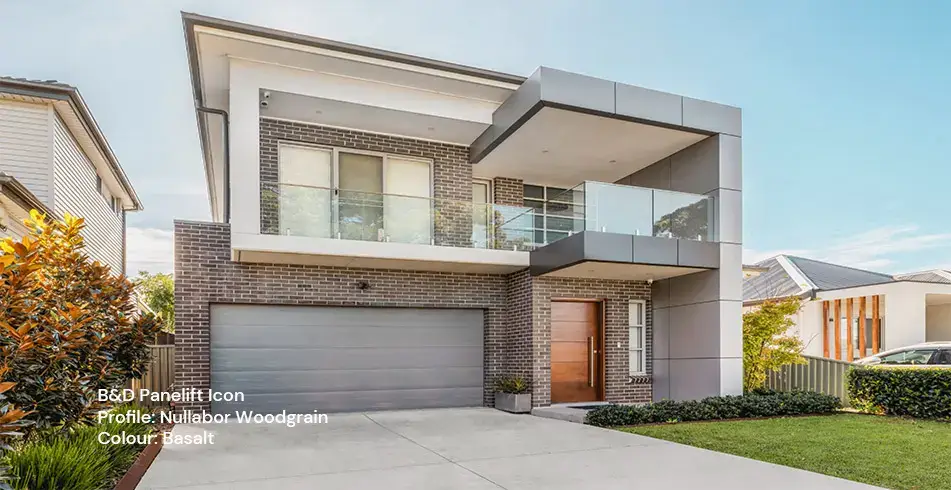
Clean the exterior finish
- Check the door’s own finish/care instructions and any restrictions on cleaning products.
- Use clean water with a soft cloth or brush on the exterior. Keep water away from motors, controls and electrical fittings.
- Give sheltered areas and salt-exposed locations extra attention. Our general maintenance page recommends washing every 14 days, more often in coastal conditions.
- Stop if the surface is damaged or a product’s suitability is unclear; ask us to identify the finish before using solvents or abrasive cleaners.
Keep care specific to the component
| Component | Guidance and limits |
|---|---|
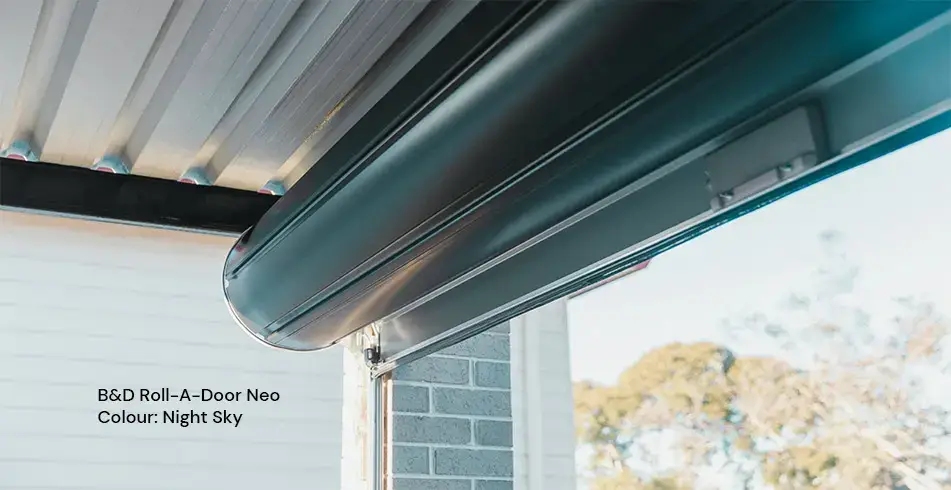
| Roller curtain, Nylofelt strips and guides | Keep dirt from accumulating. Do not spread petroleum grease, WD-40 or RP-7 into the guides: the RDO manual specifically excludes them. Ask the technician to specify any permitted treatment for the actual curtain and guide system. |
| Sectional guide tracks | For SDO-6V3/7V3/9V3, clean the internal track sections every 3–6 months with a cloth dampened with mineral turps or methylated spirits, following the manual. Use this method only on the specified track sections; other painted finishes, seals, sensors and plastic parts need their own care methods. Ask for help if you’re unsure about safe access or the material. |
| Accessible Safety Beam lenses | Follow the exact beam manual to keep lenses and the beam path clean. Do not use cleaning as a reason to move, bypass or rewire the sensors. |
| Hinges, rollers, springs, cables and drive | The correct lubrication and inspection depend on the door and component. Have a technician specify and perform the necessary work; do not apply one all-purpose product to the complete installation. |
Servicing and checks
We recommend a B&D Representative service within 12 months of installation and every two years after that. This schedule is a condition of eligible Total Confidence cover. Book earlier if use, exposure or a change in operation calls for attention.
The opener manuals also set out routine safety checks. Follow the exact owner instructions and arrange help if you cannot perform them safely. Cleaning does not replace obstruction/beam checks or professional servicing.
If the noise remains
After restoring the system according to its instructions, observe operation only if it is sound and safe. If noise, uneven movement or resistance persists, stop cycling the door and book a service. Tell the technician when the noise occurs, the model, finish and last service date.
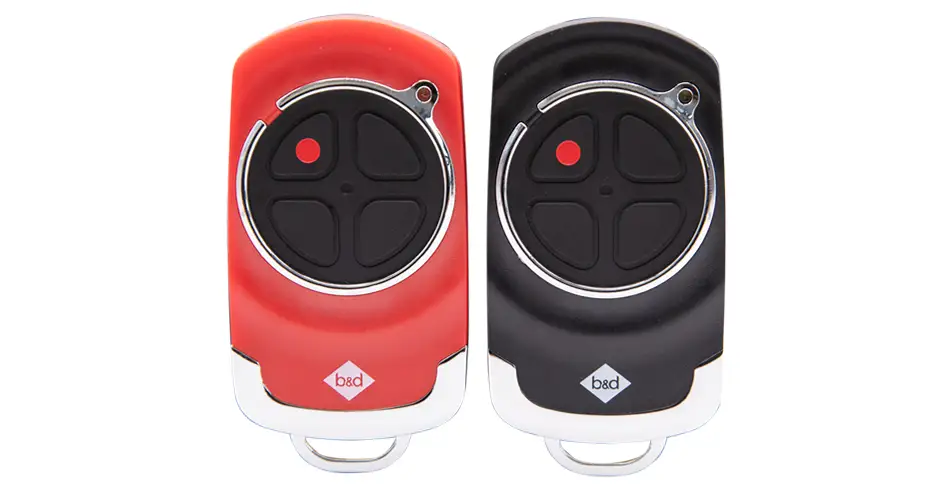
If the controls, indicators or release mechanism differ from this guide, stop and find your model’s manual or call us on 13 62 63. Have the opener model/version, remote or accessory model and the symptom ready. For damage or repeated faults, arrange a repair.
Your manuals and helpful downloads
- Sectional manual: care and guide-track cleaning, section 13.3
- Rolling-opener manual: guide preparation and excluded lubricants, section 5
- B&D general warranty and care terms
- B&D general door maintenance guidance
- More from B&D
Keep the guide for the model and equipment fitted to your garage. The documents below include the diagrams, full warnings and installer information to support the steps above.
Images on This Page
-
https://api.fouanalytics.com/api/noscript-2080i4coynpv51kq7epl.gif
(no alt text)
-
https://admin.bnd.com.au/media/kvqhfp5m/bd_80years-logo_2026_dark.png?rmode=max&width=2212&height=722
(no alt text)
-
https://admin.bnd.com.au/media/zdmj44kf/showrooms.svg
bnd-showrooms
-
https://admin.bnd.com.au/media/k2bhaqq2/bd-roll-a-door-night-sky-inside.webp?rmode=max&width=0&height=0
Reliable as Can B&D Roll-A-Door Garage Door Interior in Night Sky
-
https://admin.bnd.com.au/media/iigb25uj/bd-panelift-icon-basalt-nullabor.webp?rmode=max&width=0&height=0
Safe as Can B&D Panelift Section Door in Nullabor Basalt
-
https://admin.bnd.com.au/media/2jombqn1/bnd-designer-finishes-sheer-panel.webp?rmode=max&width=4546&height=2564
Bnd-Designer-Finishes-Sheer-Panel
-
https://admin.bnd.com.au/media/0fel4abo/bd-roll-a-door-series-2-commercial-warehouse-forklift.webp?rmode=max&width=951&height=490
Safe as Can B&D Forklift in front of a Series 2 Commercial Roller Door Home
-
https://admin.bnd.com.au/media/m1bpjbhm/bd-toughpanel-commercial-sectional-door.webp?rmode=max&width=1308&height=797
(no alt text)
-
https://admin.bnd.com.au/media/iukar1yo/bd-roll-a-door-series2-commercial-door.webp?rmode=max&width=951&height=490
Safe as Can B&D Angled view of Series 2 commercial Roll-A-Door installed in warehouse Home
-
https://admin.bnd.com.au/media/tt4na5tf/bd-controll-a-door-power-drive-roller-door-opener-profile.webp?rmode=max&width=0&height=0
Reliable as Can B&D Controll-A-Door Power Drive Opener Profile
-
https://admin.bnd.com.au/media/3k3b2sqk/bd-smart-pro-sectional-door-opener-profile-5.webp?rmode=max&width=0&height=0
Smart as Can B&D Profile View of Smart Pro Sectional Door Opener
-
https://admin.bnd.com.au/media/yxbf3xdh/bd-garage-door-remote.webp?rmode=max&width=0&height=0
Safe as Can B&D Two Branded Garage Door Remotes
-
https://admin.bnd.com.au/media/l52nemhn/bd-garage-door-smartphone-control.webp?rmode=max&width=0&height=0
Smart as Can B&D Hand holding smartphone in front of house and garage
-
https://admin.bnd.com.au/media/pfqjekdd/bd-auto-lock-garage-doors.webp?rmode=max&width=0&height=0
Safe as Can B&D Garage Door AUTO LOCK™
-
https://admin.bnd.com.au/media/bifpraoy/bd-safety-beam.webp?rmode=max&width=951&height=490
Safe as Can B&D Infrared Safety Beam Home
-
https://admin.bnd.com.au/media/vv1pdb1w/bd-prodema-prodex-garage-door.webp?rmode=max&width=0&height=0
Safe as Can B&D Family Embracing in front of Prodema Prodex Garage Door
-
https://admin.bnd.com.au/media/mswbsv20/social_facebook.webp?rmode=max&width=0&height=0
facebook social
-
https://admin.bnd.com.au/media/1mdhluow/social_youtube.webp?rmode=max&width=0&height=0
youtube social
-
https://admin.bnd.com.au/media/b5ukqdzp/social_linkedin.webp?rmode=max&width=0&height=0
linkedin social
-
https://admin.bnd.com.au/media/0hxb2b1k/bd-garage-doors-pinterest.webp?rmode=max&width=0&height=0
Pinterest Logo
-
https://admin.bnd.com.au/media/xyhfahvw/instagram-64.webp?rmode=max&width=0&height=0
instagram social
-
https://admin.bnd.com.au/media/dixfjpl4/branding_dulux.webp?rmode=max&width=0&height=0
Dulux page
-
https://admin.bnd.com.au/media/2c0jsrqw/asial-australian-security-industry-association-limited-member-logo.webp?rmode=max&width=0&height=0
ASIAL Australian Security Industry Association Limited Member Logo
-
https://www.bnd.com.au/images/app-store-badge.svg
Download on the App Store
-
https://www.bnd.com.au/images/google-play-badge.svg
Get it on Google Play
-
https://pixel.zprk.io/v5/pixel/ok5dCCY8BD.gif?ssid=1
(no alt text)