Torsion and extension springs: what owners need to know
Garage-door springs help counterbalance a door’s weight. If a door suddenly becomes heavy, crooked or difficult to move, the spring system may need assessment—but the symptom alone does not identify the fault. We recommend leaving spring selection, adjustment and replacement to a trained technician.
Two ways of storing spring energy
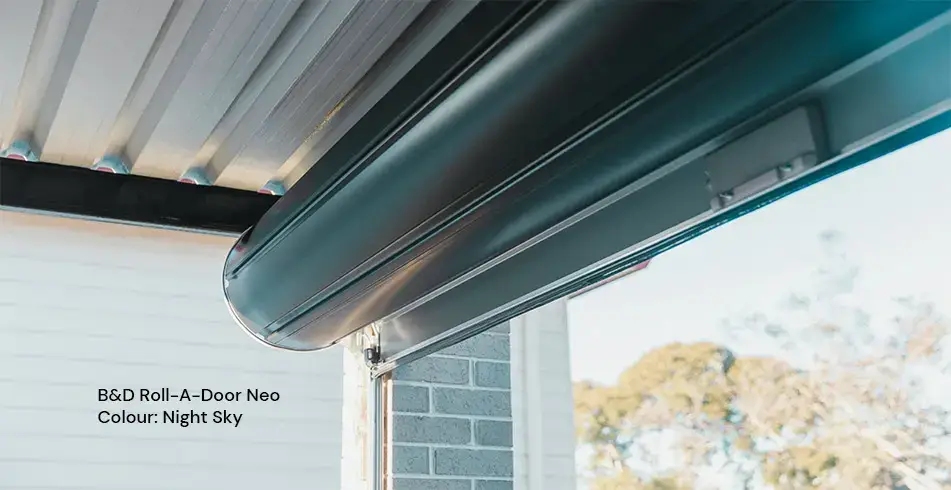
A torsion spring works by twisting around its axis; an extension spring works by stretching. The spring arrangement, supporting hardware and travel geometry must suit the door design. On a sectional door, some spring hardware may be visible above or beside the opening. A rolling door can conceal parts within the roll, so appearance alone is not enough to identify the system.
Your door determines the required system
Springs are specified for the particular door, weight, dimensions and arrangement. They are not interchangeable accessories selected by a generic price or lifespan comparison. Ask the technician to identify the model and original hardware, then confirm the appropriate replacement or approved modification. Do not choose a spring from a photograph or by comparing it with another home’s door.
Understanding spring life
A cycle figure only means something when it applies to the actual spring and specified conditions. We do not assign a universal lifespan to every torsion or extension spring. Door use, condition and product requirements matter, and a warranty period is not a guaranteed service life. Springs can also have separate warranty terms from the main door.
Recognise when to stop using the door
A loud break, visible spring damage, slack or frayed lifting cables, uneven movement or a door that suddenly feels heavy needs professional assessment. Do not keep running the opener to lift through the problem. Keep people and vehicles clear, and do not disconnect an open or unsupported door from its opener.
What a repair assessment should establish
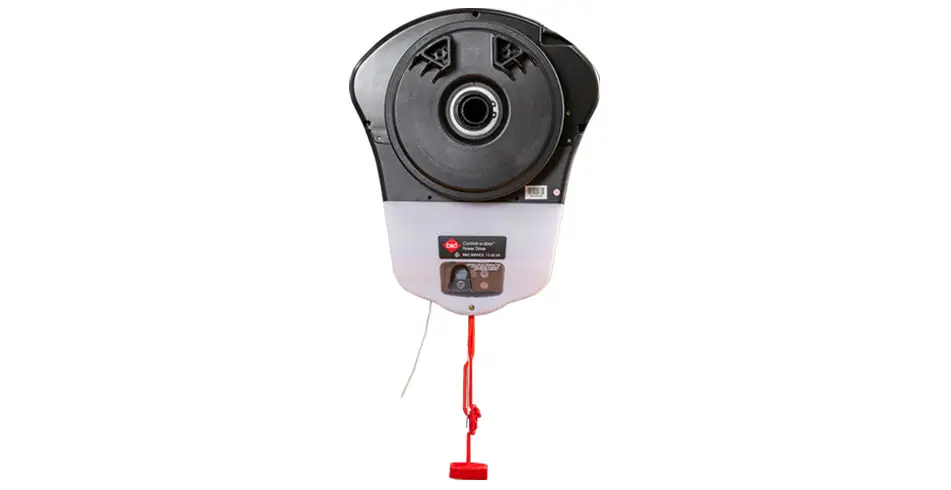
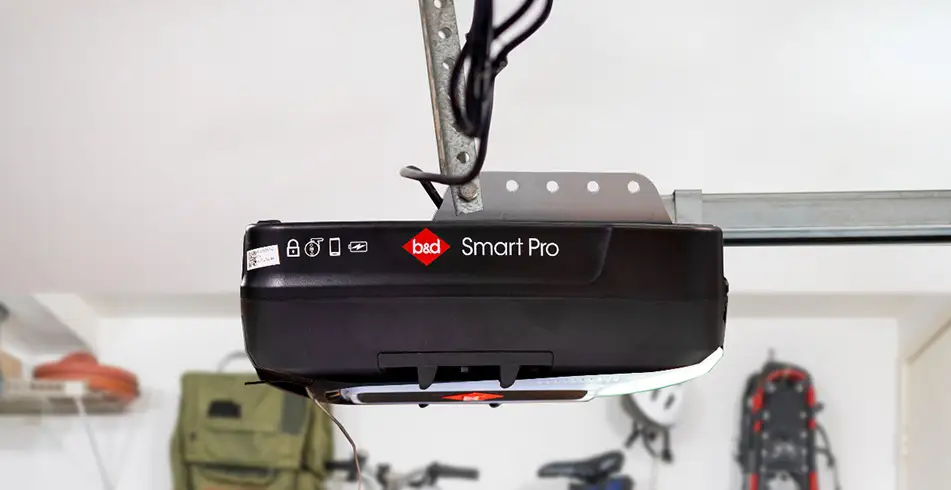
The technician should identify the door and spring arrangement, assess the related lifting hardware and supporting components, and explain the repair scope. Correct balance and opener operation need to be checked together after work. A larger motor does not correct an unsuitable spring or an unbalanced door.
Get ready for a repair visit
Give us the door and opener model, installation records if available and a description of what changed. A photograph taken from a safe position can help, but do not remove covers, reach into the roll or touch the spring to identify it. Arrange a repair; if access is urgent, confirm local availability through our emergency provider directory.
Explore the detail with us
Find the product information and instructions for your own door and opener in our owner-manual library. For a new door, we can discuss the measured opening and the options that suit your project.