Garage door springs: what they do and when to call us
Your garage door’s springs do much of the work you don’t see. They counterbalance the door so it can move smoothly without asking the opener to lift an unsupported load. If the door suddenly feels heavy, sits unevenly or makes an unusual bang, stop using it and arrange a professional inspection. Spring replacement and tension adjustment belong with a trained garage-door technician.
Our quote form opens on our main B&D website. For a fault, use the service or repair option in this guide; charges are confirmed separately.
Why the spring must match the complete door
A spring is selected for the door’s weight, dimensions and operating arrangement. Changing cladding, adding equipment or replacing one part with an unsuitable substitute can alter the balance. A more powerful opener will not correct that problem.
Torsion systems store energy by twisting a spring around a shaft. Extension systems store energy as the spring stretches. The correct arrangement depends on the door: our Flex-A-Door, for example, uses enclosed extension springs above head height. The door model and installation determine the parts and procedure, rather than a general rule that every door uses the same springs.
Understand cycle ratings
One cycle is one complete opening and closing. A design-cycle rating helps compare spring specifications; it is not a promise of a fixed number of years or the same thing as the product warranty.
| Door configuration | Standard spring design rating |
|---|---|
| Panelift | 10,000 cycles |
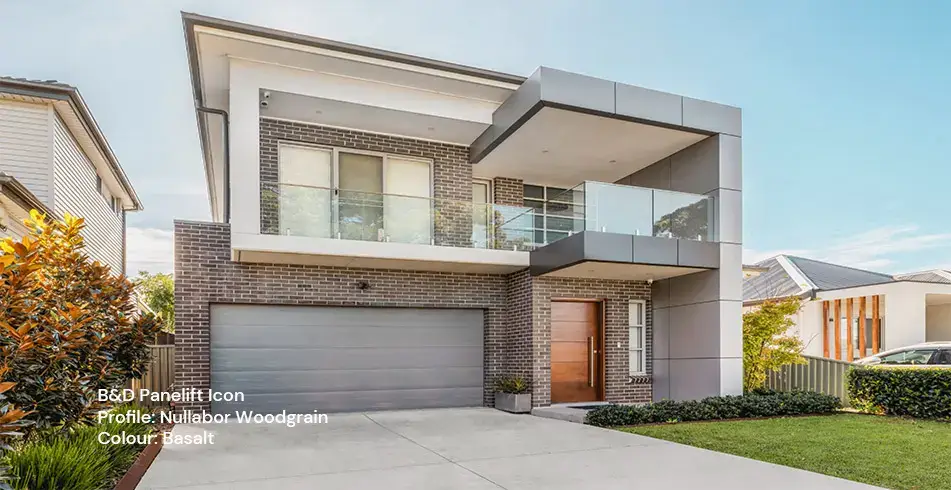
| Panelift Icon | 20,000 cycles; a 30,000-cycle option is listed for eligible configurations |
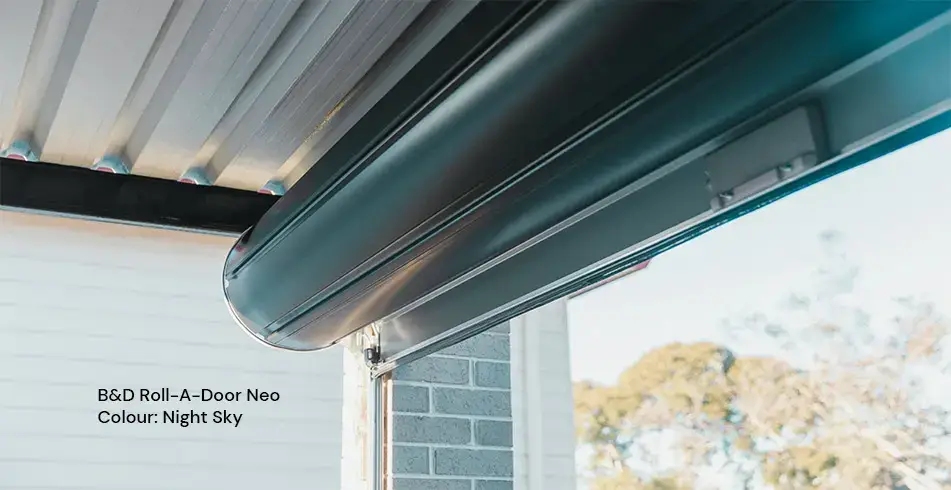
| Roll-A-Door and Neo | 30,000 cycles |
| Residential Rollmasta | 15,000 cycles |
| Flex-A-Door | 20,000 cycles |
Usage makes a difference. For illustration, 10,000 cycles divided by four complete cycles a day is about 6.8 years. That arithmetic is not a predicted replacement date: condition, exposure, installation and maintenance also matter. Tell us about frequent use when we specify a new door.
Signs that need attention
An unusually heavy door, uneven travel, visible damaged components, a loud bang or a door that no longer holds its normal position all need assessment. Several faults can produce similar symptoms, so a noise or gap alone does not identify the failed part.
Keep people and vehicles away from the opening. Do not loosen spring hardware, adjust cables, force the door or keep trying the motor. Avoid disengaging an open or unbalanced door: it can fall when released. Call us with the door model, a description of the symptom and whether the door is open or closed.
What a professional assessment should cover
We check the door, springs, lifting components, fixings and opener together. Your repair quote should identify the required parts, labour, any call-out charge, the proposed spring specification and the applicable warranty. A generic online spring price does not include all those items or confirm the right part.
Keep the service record and follow your model’s maintenance schedule. For eligible Total Confidence packages, arrange the specified service within 12 months and every two years thereafter; an earlier cycle threshold or demanding installation may require attention sooner. Springs have separate component terms from the headline door warranty.
Book a service or compare our residential doors if you are considering a replacement.
Brochures and model guides
Use the guide for your actual model and supplied configuration. These references explain the specifications and conditions discussed above.
Talk to us about your garage
Tell us what you have now and what you want to improve. We’ll help you choose the right next step through our dealer network.