Planning energy-efficient garage-door upgrades
A more comfortable garage starts with understanding where heat and air move through the space. The door matters, but so do the roof, walls, gaps and the way the garage is used. We can help you compare door-related upgrades without treating one product as a guaranteed solution to a whole-home energy problem.
Our quote form opens on the main B&D website.

Start with the garage you have
Is it attached or detached? Is the roof insulated? Are there visible gaps around the closed door? How often is the opening used? These questions help determine which changes deserve attention first.
If you plan to heat, cool or convert the garage to habitable space, have the whole project assessed by the appropriate building professionals. A garage-door insulation option does not establish that the space is approved or suitable as a bedroom or living room.
Specify factory insulation where it suits the door
Insul-Shield uses a steel outer layer, graphite EPS inner core and polypropylene backing sheet. The current sectional brochure gives an R-rating of 1.4. That describes the product information; it is not a household energy rating or a promised bill reduction.
It is available as a factory option for suitable new sectional doors, with profile restrictions. Nullarbor Smooth is specifically excluded in the current brochure. Confirm the complete configuration instead of assuming every sectional door or existing installation can be insulated.
Address the gaps without creating a new problem
Correctly selected seals can help restrict draughts and windblown debris. The type, position and fit matter: a bottom weather seal and a side bristle seal do different jobs. A seal must not obstruct the door, overload the opener or interfere with the required movement.
Ask a technician to assess worn seals, floor variation and gaps. Sealing the door does not make a garage airtight, floodproof or suitable for storing temperature-sensitive items. Ventilation and drainage may need separate attention.
Read acoustic information accurately
The Insul-Shield brochure reports 18dB in the context of an Acoustic Logic test dated 9 September 2014. Its footnote identifies the measured R’w of a Panelift Insul-Shield system with jamb and lintel seals.
Do not read the number as a guaranteed 18dB reduction in every garage. Other openings and the surrounding structure influence what you hear. Use the tested configuration when discussing the performance of the proposed door.
Review controls and colour for their actual purpose
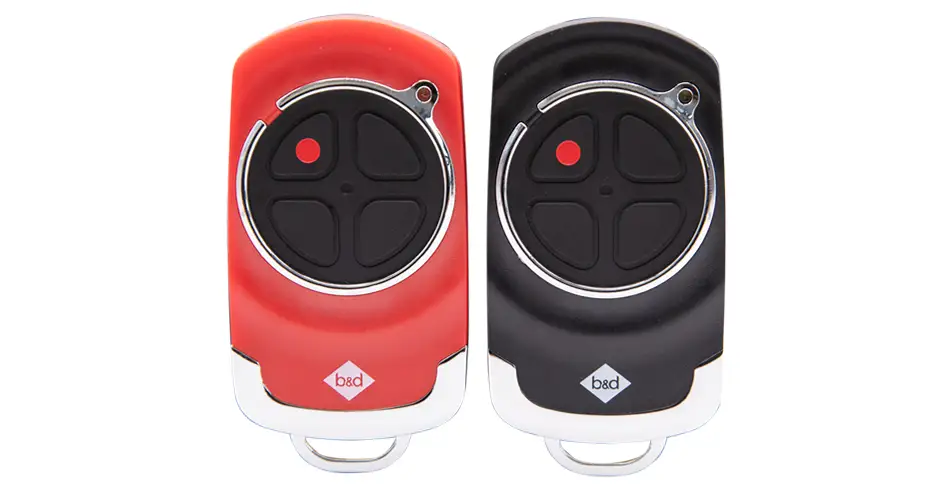
Supported smartphone control can help you check whether the door has been left open, subject to compatible equipment and connectivity. It is an access and convenience feature, not a measured energy-saving device. Confirm the required Safety Beams and opener generation.
Choose the colour and finish from the model’s available range and compare samples. Orientation, exposure and the whole door construction affect heat gain; a light colour alone does not establish a quantified energy benefit.
Ask for an itemised upgrade plan
- Door model, profile and approved insulation configuration.
- Seals included and any gap or floor issues to address.
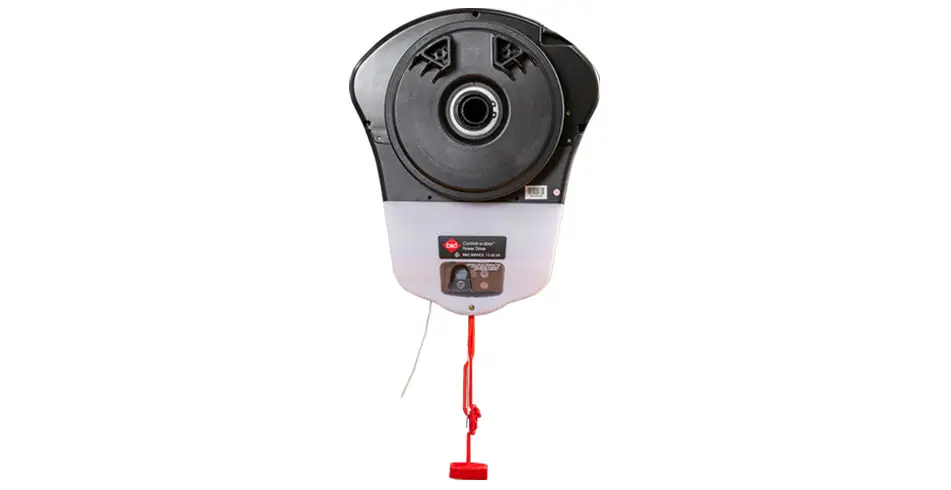
- Opener suitability for the completed door and its actual standby specification.
- Controls, safety equipment and any connectivity requirements.
- Installation, disposal, care and warranty terms.
We will help you distinguish a new-door package from work that can appropriately be done to the existing installation. Household savings depend on conditions beyond the door, so compare the scope and evidence as well as the price.
Explore the relevant B&D information
Talk to us about your garage
Tell us what you have, what you want to change and any model details. We can help you find the appropriate next step for your door and property.